
About Ayahuasca

Ayahuasca is a psychedelic tea made from the Banisteriopsis caapi vine. This vine—often referred to as simply “ayahuasca”—is typically mixed with the leaves of a dimethyltryptamine (DMT)-containing species of shrub, such as chacruna or huambisa, to give it its visionary effects.
Drinking a preparation of either of these plants on their own would have little-to-no effect on you. Although when smoked or administered intravenously, pure DMT is one of the most potent, if short lived (a DMT experience usually lasts less than 15 minutes), psychedelics ever studied, when taken orally, DMT is rendered totally inactive by monoamine oxidase (MAO) enzymes in the stomach that break it down too quickly for it to be absorbed by the body. However, when taken together with the ayahuasca vine, which contains large quantities of MAO-inhibiting compounds, the DMT can do its job and produce spectacular visions, which can last, on average, for 2-6 hours. This longer time window allows a participant in an ayahuasca ceremony to get accustomed to what this particular altered state feels like. And once they’ve found their footing, they have far longer to study what they are seeing, how it is making them feel emotionally, and what their mind is doing during the experience, than they might during the fifteen-minute trip offered by pure DMT.
How indigenous peoples, scattered all throughout the vast expanse of the Amazon rainforest, have known for centuries to combine these specific plants to produce this specific effect, is a mystery to science. But it isn’t a mystery to them. Ask them how their ancestors learned to make ayahuasca and they’ll tell you, quite matter of factly, that the plants told them how to do it.
The extended length of the experience isn’t the only difference between smoking pure DMT and sitting in an ayahuasca ceremony. A traditional ayahuasca ceremony, like the ones we hold at our retreats, is always presided over by at least one curandero or curandera (there is a distinction between a curandero/a, which literally means “healer,” and a “shaman,” which in the Amazon often refers to someone who leads ayahuasca ceremonies but is either not skilled or not compassionate enough to do healing work). Having a curandero who has dedicated their life to healing in charge of these kinds of experiences can make a very big difference.
Of the thousands of new and understudied plants pioneering ethnobotanist Richard Evans Schultes encountered on his many explorations of the jungles and cultures of South America, ayahuasca was one of the species that most fascinated him. One of the very first scientists to ever write about ayahuasca and the experience of drinking it, he noted that, “The preparation and consumption of ayahuasca involve not just the ingestion of the brew, but a complex ritual that integrates the physical, psychological, and spiritual dimensions of the experience,” and that “ayahuasca is considered a 'teacher plant' that reveals hidden truths and insights to those who partake in its visions.”
We couldn’t agree more with that statement. Working with ayahuasca is often a collaborative process, one in which the skill of the curandero meets and supports the psychological state of the participant. The two work together in order to precipitate a level of healing that can be astounding in its level of efficacy and profundity.
Until you work with ayahuasca, it’s hard to explain what that process will be like for you. Everyone’s experience is vastly different and there is no one set path down which ayahuasca guides those who come to it for help. But time and time again, we’ve seen guests receive precisely what they need from this powerful medicine. While that regularly occurs in the ceremonies themselves, just as often people receive the healing, insight, guidance, or nudge in the right direction they’re looking for outside of the ceremony space—the day after, the following week, or even months down the road—in the most unexpected ways.
This is one of the reasons why proper support along all the steps of one’s journey is so important, and why we go to great lengths to provide it. In addition to the two integration calls included in the price of our retreats, we also work closely with several mental health professionals who we trust and have lots of experience working with guests post-retreat. We also make a concerted effort to stay in touch with all of our guests, sometimes for years after their retreat.
If you’re feeling called to work with ayahuasca for whatever reason, the benefits can be immense. It has been revered as a sacred “plant teacher” in almost every indigenous culture that has had close contact with it for good reason. As it makes its way into the western consciousness, at a time when the lessons it has to share are more important than ever, a growing body of researchers, scientists, health practitioners, curious seekers, and human beings looking for a better way of living in balance with the world around them are beginning to listen to what it has to say.
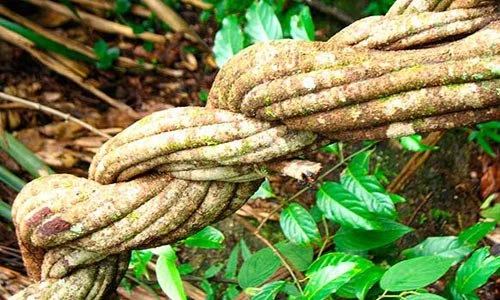
Ayahuasca is known by as many as forty different names, but the one most commonly used today comes from the Quechua language, the second most widely spoken language in Peru: “aya” (meaning “soul, death or spirit”), ”huasca” (meaning “vine”).
Why “the vine of the soul”? According to the many indigenous groups that have used the brew for centuries (if not millennia), drinking ayahuasca allows them to speak with the spirits of plants, with the dead, with God/the creator, and even to travel to different dimensions, find lost objects, and communicate over long distances. However, its most common use—throughout history and today—is as a powerful vehicle for healing.
After drinking ayahuasca, a skilled curandero or curandera can call in a team of helpful spirits by singing sacred songs, called icaros, in order to assist ceremony participants in the healing of all kinds of ailments. Curanderos also use their ayahuasca visions as a diagnostic tool, allowing them to find the best way to treat all sorts of health conditions outside of ceremony with plants, body work, or other methods.
Whether you believe in any of that is not at all important when it comes to getting results from working with ayahuasca. If it’s more helpful, simply think of the curanderos as providing the set and setting for you to have the most beneficial experience possible.
What that experience might look like when viewed from your mat in ceremony is hard to predict and even harder to put into words. As mentioned above, it could include narrative visions that might recount a past memory in such a way that it can be reexamined, reframed, or simply relived in order to experience its emotional content from a new perspective; metaphorical or archetypical visions that one might interpret like a dream; the upwelling of the suppressed emotions that were making you mentally or physically sick; purging out emotions/memories/energies in various ways; and a whole lot more.
Whatever form your ceremonies take, that’s the form that will be right for you and your process. Trusting this will go a long way in making your work with ayahuasca smoother, faster, and more fun. Many, many guests have described their experiences to us as feeling transcendent, expansive, awe-inspiring, and like having years of life-changing psychotherapy sessions all condensed into one night, and each one of those people had a vastly different experience of sitting in ceremony. Some of them had incredible visions. Some purged their traumas. Some just sat and thought about their lives with the help of the medicine and the icaros. And some, believe it or not, sat in the dark and felt like nothing had happened at all until they returned home and realized that they were somehow different—healthier, happier, lighter, and/or, to their great surprise, free of old and unhelpful patterns they never thought they’d be rid of.
It can be pretty amazing.
Plant Dietas
Ayahuasca is an extremely powerful plant, but it doesn’t do its healing work alone.
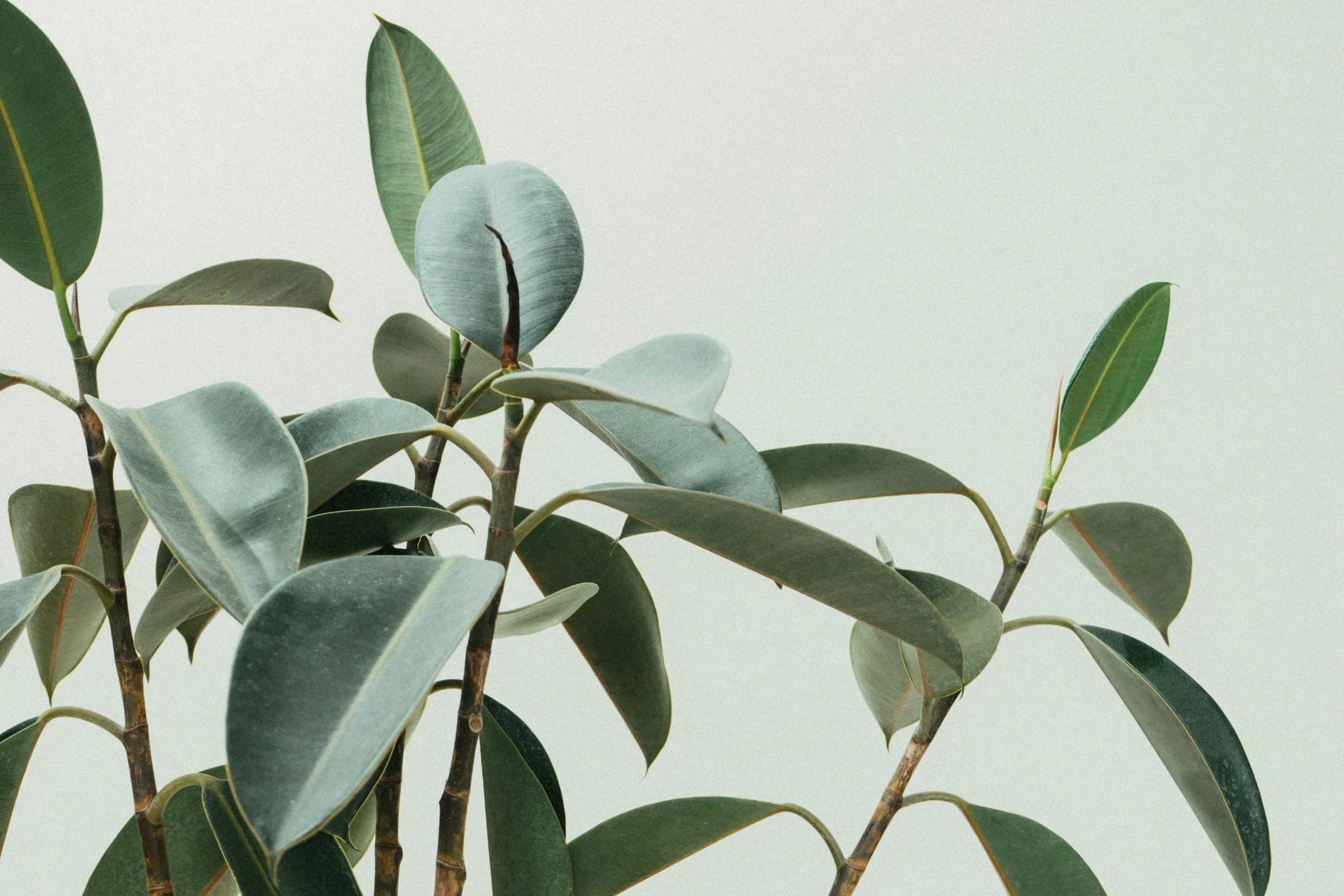
Our curanderos use the rich medicine cabinet of the jungle to bring both the pharmacological compounds and the energetic spirits of a plethora of Amazonian plants to bear in their treatments. Some of these plants have been used throughout the region for generations and have developed a reputation for being particularly potent support for ayahuasca work.
At our retreats we offer guests the opportunity to work closely with some of these special plants. This process is called a plant dieta. For those who wish to remedy a particular ailment or to go much deeper with their healing work during their stay with us, these dietas can be powerful tools.
Traditionally, long-term plant dietas are undertaken by those wishing to become shamanic healers. But more gentle dietas can be used as a potent detox and as a part of one’s spiritual practice, promoting healing on physical, emotional, and energetic levels as well as deepening one’s connection to nature. When used in conjunction with ayahuasca ceremonies, these amazing plants can sometimes be the key to a guest getting the most out of their experience with us.
In the Shipibo tradition, getting this kind of help from the medicinal plants of the jungle requires a commitment, hence the term dieta (or diet). Essentially, a dieta participant complies with certain restrictions on the foods, activities, inputs, and energies to which they expose themself for a period of time.
For this type of dieta, the food we provide is almost identical to the traditional ayahuasca diet, only slightly more restrictive. No salt, sugar, spices, oils, caffeine, or processed foods of any kind can be consumed while on dieta. The participant is also restricted from using any toiletry products unless they are made with completely natural ingredients and are not too strong smelling.
No physical contact is permitted (even between spouses or partners) and no sexual arousal of any kind, including masturbation. Some physical contact with the supervising curanderos is permitted as they sometimes perform “hands-on healing” should the participant be in need of it. You will not be required to stay in complete isolation, but as much time by yourself as possible to reflect and connect with the medicinal plant is very beneficial.
The minimum length of time for the plant dietas we offer is five days (but they can be extended).
There are some post-diet restrictions as well, i.e. no pork, alcohol, spicy food, sex, recreational drugs, etc. for a minimum of seven days after finishing the dieta.
There is a small additional charge for the dietas (approx. 50 U.S. dollars for the full 5 days), which includes a preparation of the plant to be taken daily, medicinal plant/flower baths for cleansing and protection, and also the constant supervision of the entire dieta process/integration by our Shipibo curanderos.
A note for the skeptics: Even for those who are skeptical of the idea that one can make a commitment to a plant and get something back in return, at the very least, entering into a plant dieta means entering into a reciprocal relationship with the natural world—the kind of relationship with nature that, for the vast majority of human history, was an essential part of life for all of our hunter-gather ancestors. There is something innately satisfying about this. It touches a deep part of our consciousness, forgotten but not lost. We’ve found this act alone (all animist talk of “plant spirits” aside) to be an extremely powerful pivot point in the lives of many, many people.